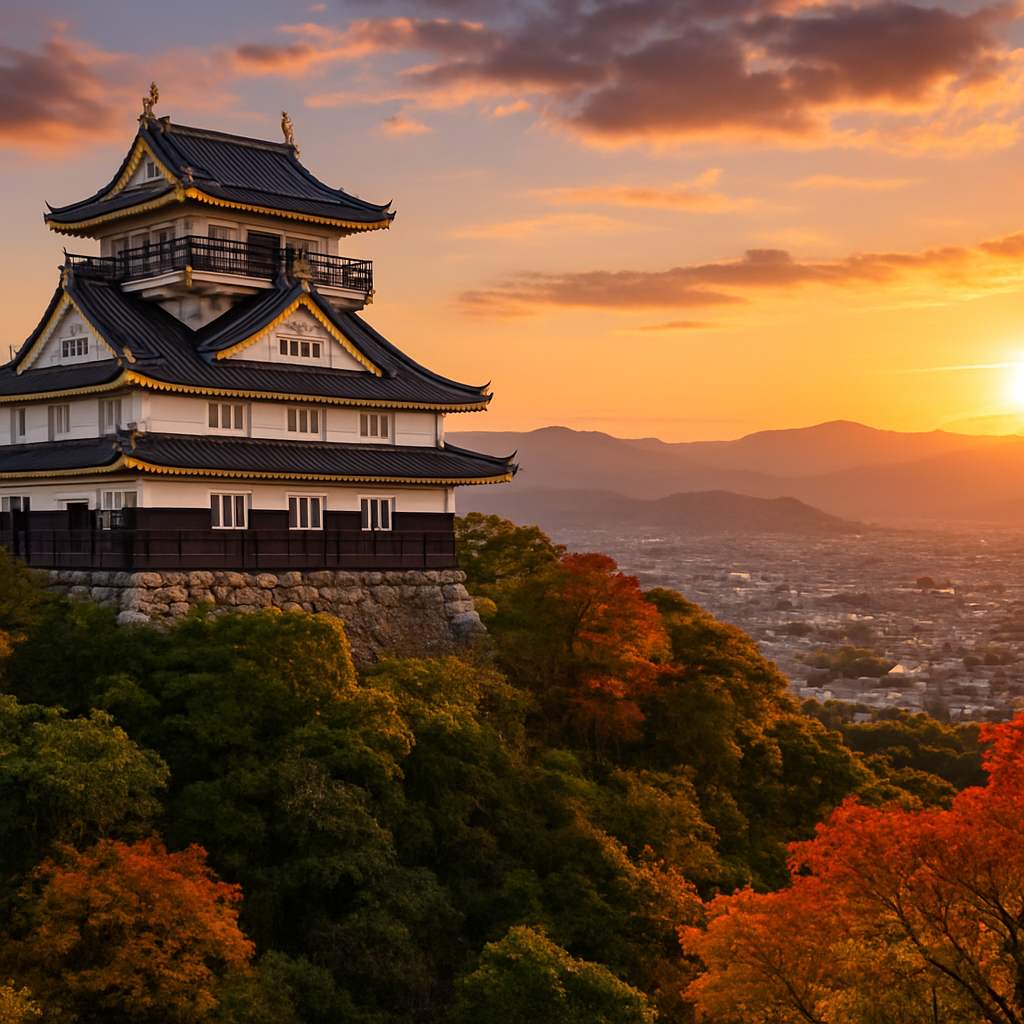
Gifu Castle
20 min by bus and walk
Perched atop Mount Kinka, this castle offers historical context to the region and provides a view of the Nagara River basin.

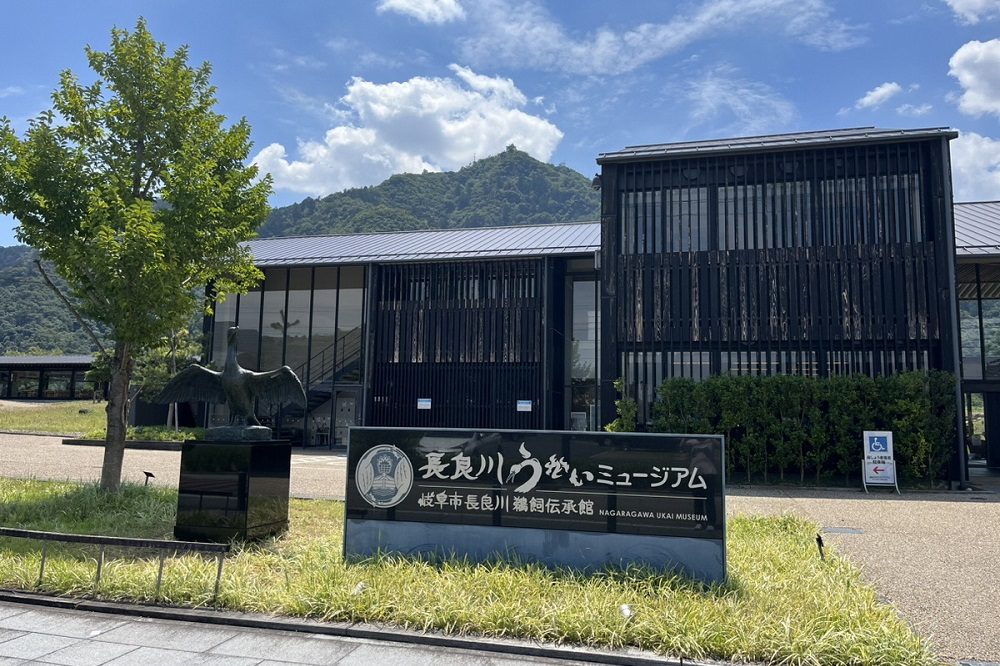
The Nagara River Ukai Museum in Gifu documents one of Japan's oldest fishing traditions through interactive exhibits, historical artifacts, and live demonstrations. This guide covers everything you need to plan your visit, from arrival logistics to what awaits inside the galleries.
Quick answer
The Nagara River Ukai Museum is open daily from 09:00 to 17:00, with last admission at 16:30. Adult admission costs 600 JPY per person. The museum operates year-round with no regular weekly closures, making it accessible any day of the week for visitors planning to learn about Gifu's cormorant fishing heritage.
A single fishing technique has survived thirteen centuries on the Nagara River, and the museum dedicated to its preservation sits just meters from the water where cormorant masters still work each summer night. The facility occupies a purpose-built structure at 51-2 Nagara, designed to house both archival material and living craft demonstration spaces that bring ukai's history into the present. Cormorant fishing—ukai in Japanese—relies on trained birds, firelight, and a bond between fisherman and animal that takes years to establish. The museum traces this practice from its imperial origins in the Nara period through its evolution as both subsistence method and cultural performance. Galleries hold fishing boats, original torches, ceremonial costume worn by the hereditary usho masters, and video documentation of the techniques that distinguish Nagara's tradition from other regional variants. Interactive stations allow visitors to handle replica equipment and understand the physical demands of night work on moving water. The permanent collection divides its focus between material culture and ecological context. One wing examines the Nagara River itself—its seasonal rhythms, the ayu sweetfish that migrate upstream each spring, and the way cormorant biology makes the birds uniquely suited to shallow-water fishing. Another section documents the Imperial Household Agency's role in sustaining the practice, including the formal appointment process for the usho and the annual tribute of ayu sent to the imperial family. Rotating exhibits feature contemporary photography, oral histories recorded with active fishermen, and comparative studies of ukai practiced in China and other parts of Japan. Visitors typically spend 60 to 90 minutes inside, though the museum's location within the broader Nagara River cultural district means most combine it with a walk along the riverside promenade or a stop at the nearby observation decks where evening demonstrations take place during the May-to-October fishing season. Arriving during the morning hours ensures quieter galleries and sufficient time to engage with the audiovisual presentations before the facility's final admission window closes at 16:30.
“A single fishing technique has survived thirteen centuries on the Nagara River, and the museum dedicated to its preservation sits just meters from the water where cormorant masters still work each summer night.”
The Nagara River Ukai Museum is open daily throughout the week to provide insight into the history of cormorant fishing. Please consult the official website for any updates regarding holiday schedules.
The Nagara River Ukai Museum is located in Gifu City, accessible primarily by local bus services departing from the main transit hubs. Visitors traveling by train should transfer to the Gifu Bus network at JR Gifu Station or Meitetsu Gifu Station.
Gifu Bus from JR Gifu Station (Platform 11 or 12) or Meitetsu Gifu Station
From JR Gifu Station or Meitetsu Gifu Station
Parking available at the museum site via local routes
For the most efficient visit, plan to arrive within the recommended window of 09:00–16:30. This ensures you have adequate time to engage with the exhibits before the final daily admission time.
This two-hour itinerary suits first-time visitors who want to experience the museum's interactive exhibits and historical displays systematically. Arrive by 09:00 to maximize your time before the final admission at 16:30.
Begin at the ground-floor reception to collect your ticket and review the floor map. The introductory film (10 minutes) provides essential context for the exhibits ahead.
Walk through the chronological displays tracing Ukai's 1,300-year evolution from imperial tradition to modern practice. Interactive touchscreens let you explore artifacts and fishing techniques in detail.
Watch video footage of cormorant handlers at work and examine replica fishing boats up close. Allocate 20 minutes to study the birds' training process and seasonal lifecycle.
Try tying traditional fishing lines or handling replica cormorant gear under staff guidance. This section appeals to families and takes 25–30 minutes.
View lanterns, traditional costumes, and riverboat construction techniques used in modern Ukai performances. Photography is permitted in this gallery.
Browse books, postcards, and locally crafted souvenirs before exiting. The shop stocks English-language materials about the Nagara River's cultural heritage.
Cormorant fishing along the Nagara River began during the Asuka period in 702 CE, when the Imperial Court first appointed official fishing masters to supply ayu sweetfish for the emperor's table. The practice evolved under state patronage through the Nara and Heian periods, with fishermen granted exclusive river rights and exemption from taxation in exchange for their tribute deliveries. By the Kamakura era, the technique had spread beyond the aristocracy; regional lords began sponsoring their own ukai teams, and the spectacle became embedded in local governance and diplomacy. The Edo period marked a turning point for Nagara River ukai. Shogun Tokugawa Ieyasu formalized protection of the tradition in 1609, designating the river's cormorant fishermen as御料鵜飼 (goryo ukai)—official purveyors to the shogunate. The Owari Domain maintained dedicated fishing grounds and supported the construction of specialized boats and training protocols that standardized the craft. During this era, the distinct bow lanterns and hand-woven fishing lines still demonstrated at the nagara river ukai museum were perfected. The museum itself opened in 2012 to consolidate centuries of material culture previously scattered across private collections and local archives. Its permanent galleries display Edo-period fishing registers, imperial appointment scrolls, and reconstructed cormorant baskets recovered from riverbed excavations. Visitors encounter the original 1819 training manual commissioned by the Owari clan, alongside live-feed video from active fishing boats operating just downstream. The tradition continues today under the Imperial Household Agency, with twelve licensed fishing masters working the same bends their predecessors navigated three centuries ago.
Imperial Court appoints the first official cormorant fishing masters on the Nagara River during the Asuka period.
Shogun Tokugawa Ieyasu grants御料鵜飼 (goryo ukai) status to Nagara fishermen, formalizing shogunate protection.
The Owari Domain commissions a comprehensive training manual standardizing cormorant-handling techniques still in use today.
Meiji government transfers oversight of ukai from the abolished domains to the newly established Imperial Household Agency.
Nagara River cormorant fishing receives official designation as an Important Intangible Folk Cultural Property of Japan.
The Nagara River Ukai Museum opens in Gifu City, consolidating three centuries of fishing archives and material culture.
The Nagara River area offers several cultural and historical landmarks that complement your study of cormorant fishing. These sites are located within a short distance, allowing for a cohesive exploration of Gifu City's heritage.
20 min by bus and walk
Perched atop Mount Kinka, this castle offers historical context to the region and provides a view of the Nagara River basin.
5 min walk
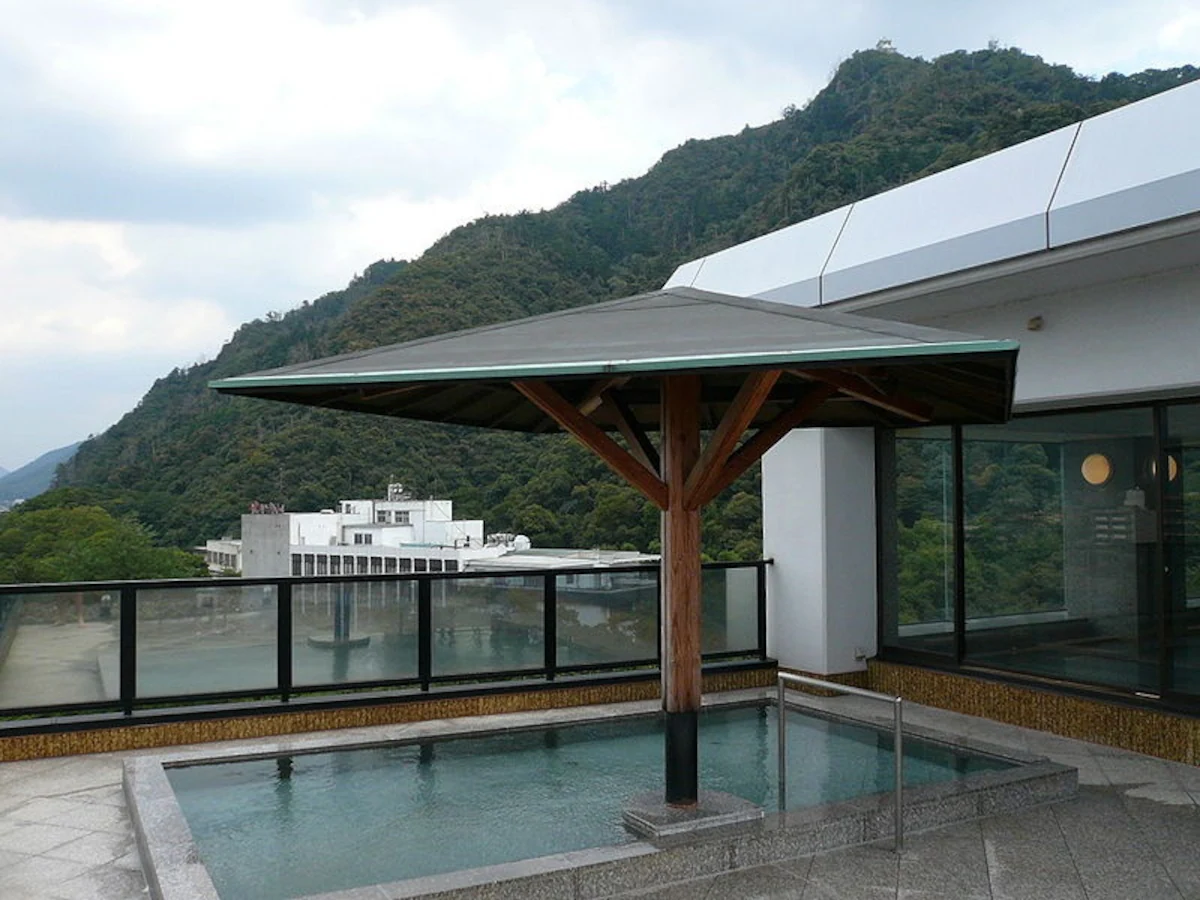
This hot spring district is situated along the river, providing a relaxing environment to reflect on the historical traditions learned at the museum.
10 min walk
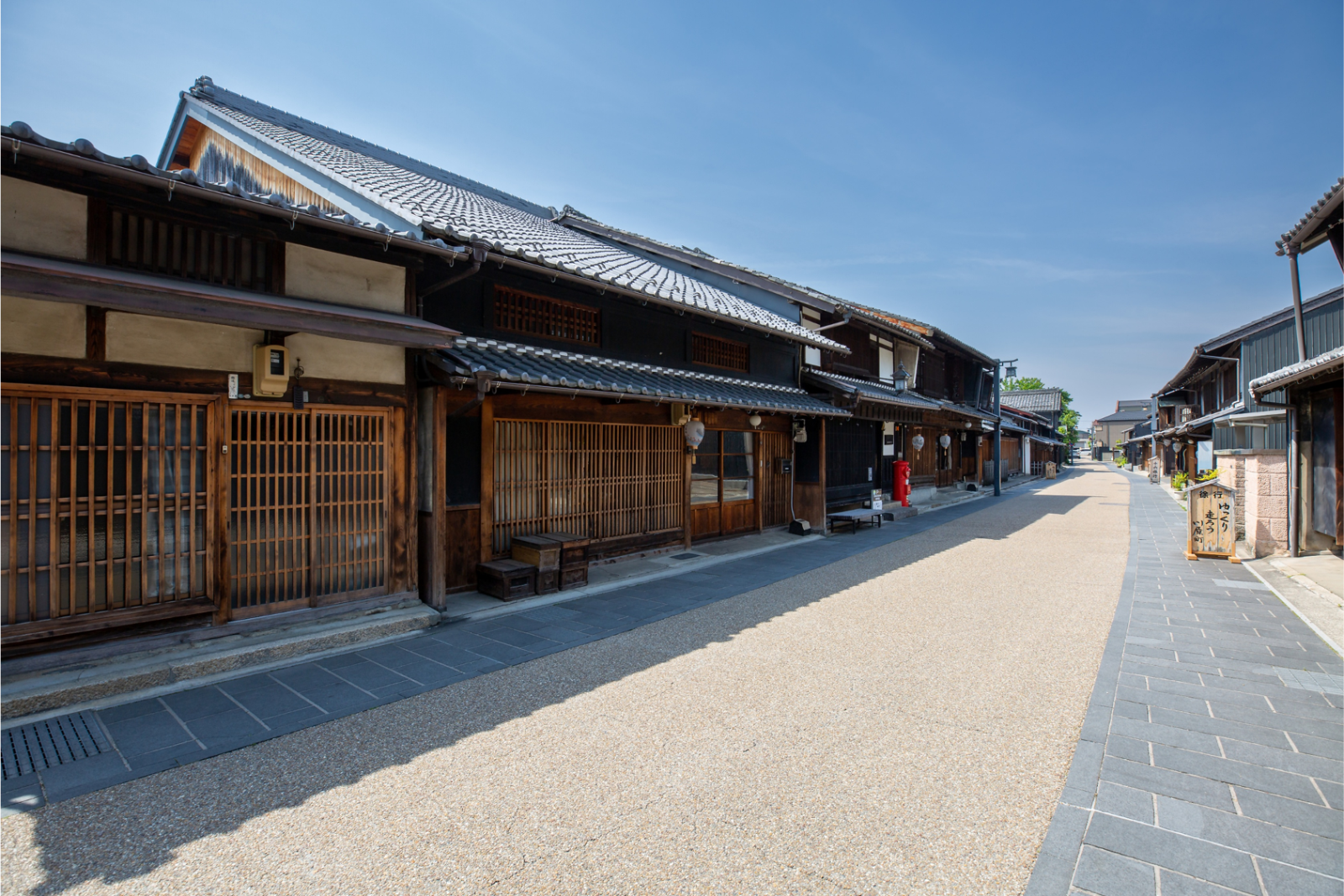
This area preserves traditional townhouses from the Edo period, mirroring the historical atmosphere associated with the long-standing practice of Ukai.
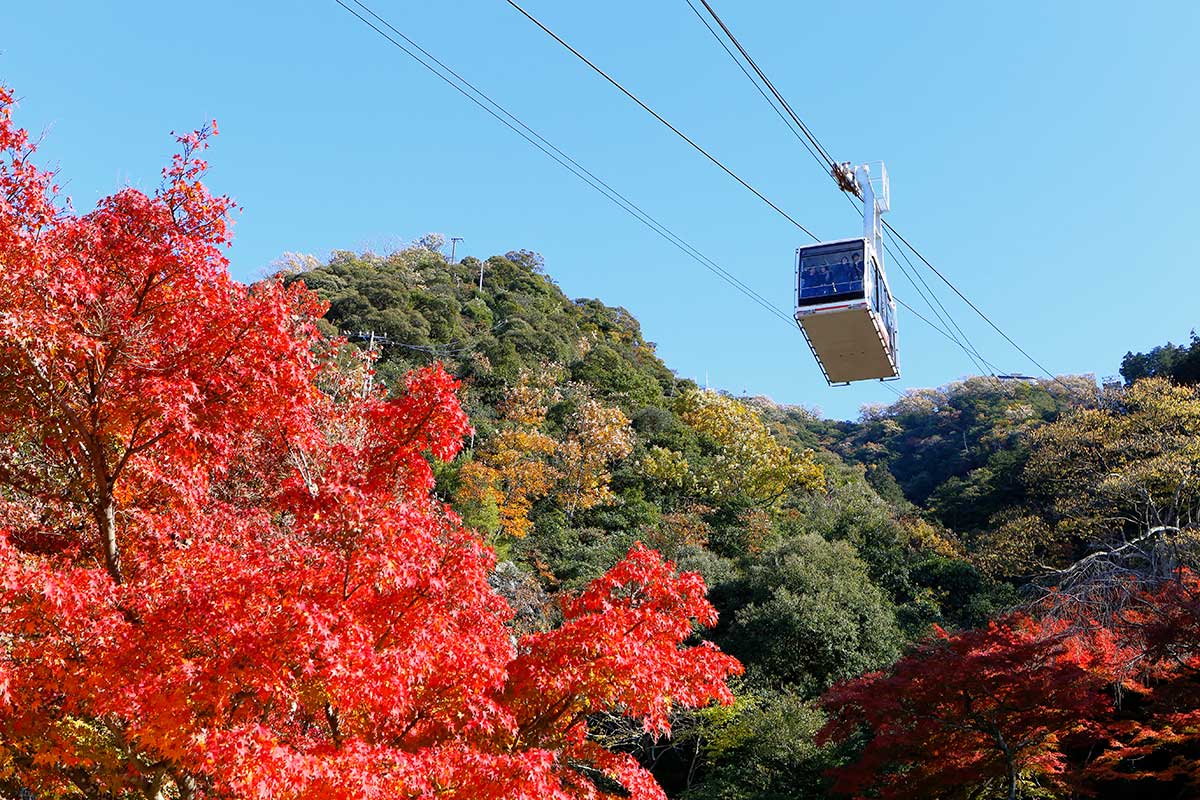
15 min walk
The ropeway provides efficient access to the summit, offering a different perspective of the river landscape that has sustained the cormorant fishing tradition for centuries.
Everything you need to know about nagara river ukai museum
The nagara river ukai museum is open daily from 09:00 to 17:00. This schedule remains consistent throughout the week, including weekends and holidays.
The admission fee is 600 JPY per person for adults aged 15 years and over. Please prepare this amount for entry at the reception desk.
For the best experience, we recommend an arrival window between 09:00 and 16:30. Arriving within this timeframe ensures you have enough time to explore the interactive exhibits before the final admission.
Yes, the Gifu ukai exhibition center operates seven days a week from 09:00 to 17:00. You are welcome to visit on any day of your choosing during these posted hours.
The facility is situated at 51-2 Nagara, Gifu City, Gifu Prefecture, 502-0071, Japan. It serves as a central hub for those interested in the 1,300-year heritage of traditional fishing.
To explore these Gifu City landmarks effectively, check the dedicated itinerary section on this site. This helps you balance your visit to the nagara river ukai museum with other local activities.
This site is dedicated to the 1,300-year history of Ukai, providing deep insight into the masters, the cormorants, and the river environment. It is an excellent educational stop for visitors interested in Japanese cultural history.