2 hr 30 min
Nagara River Cormorant Fishing Evening Cruise
Experience a 1,300-year-old fishing tradition by firelight on Gifu's historic river with dinner aboard
Reserve
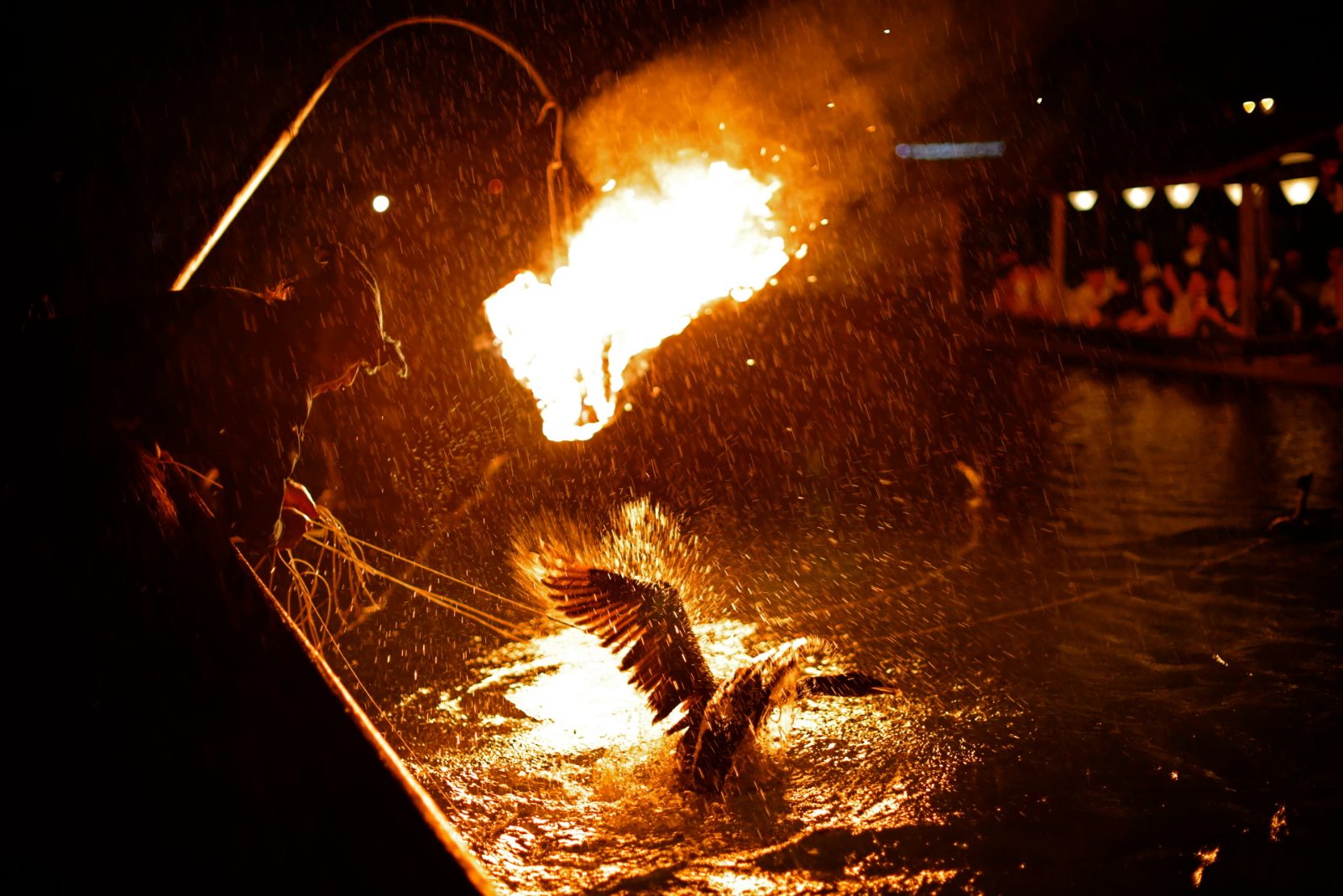
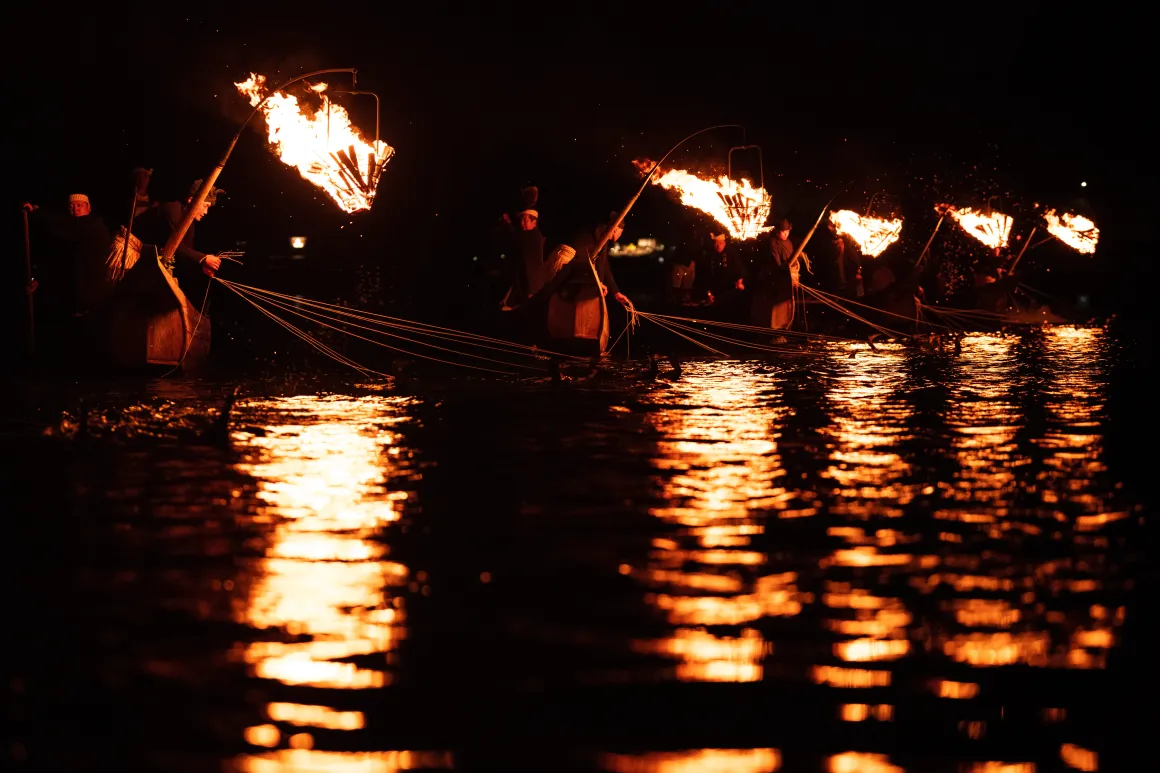
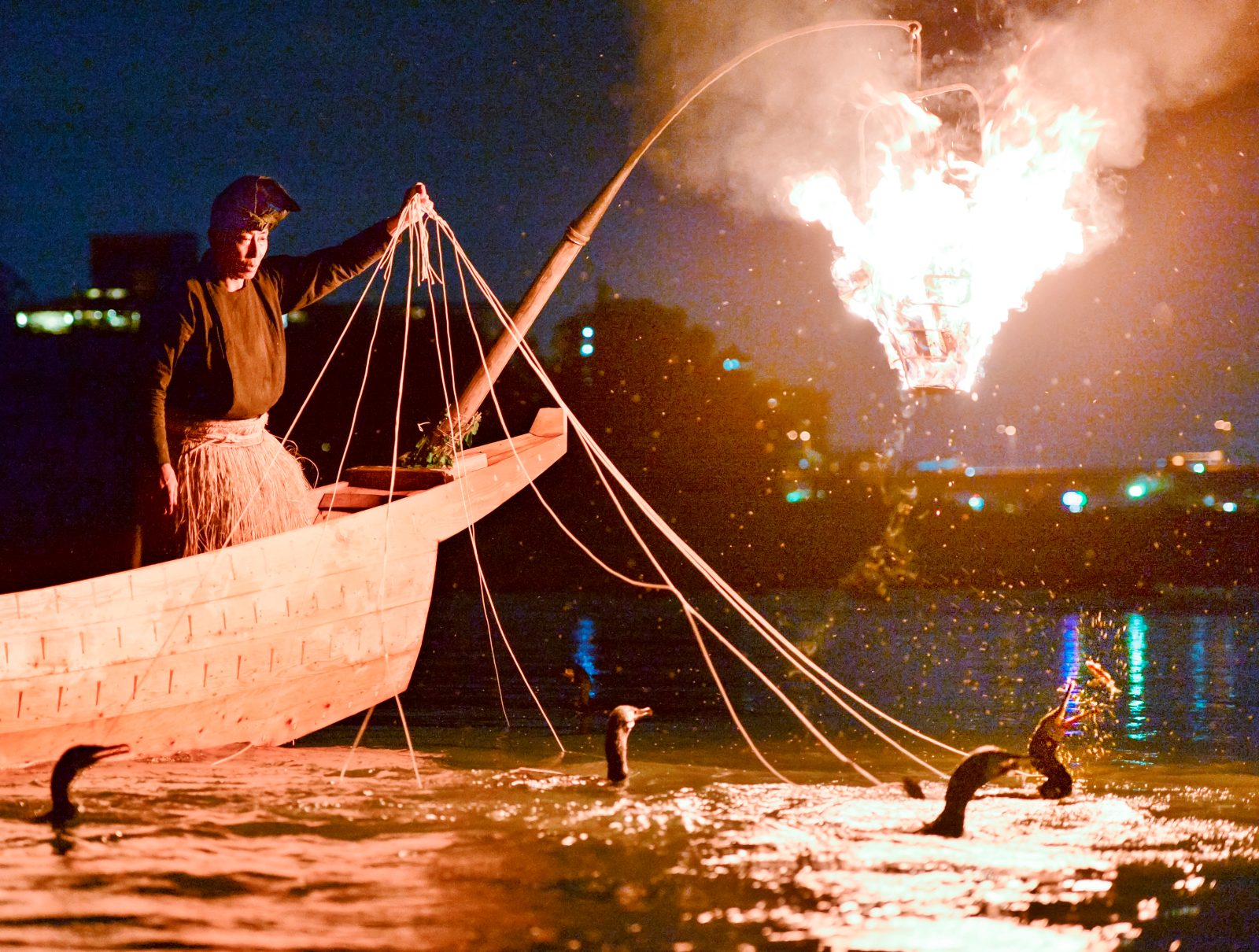
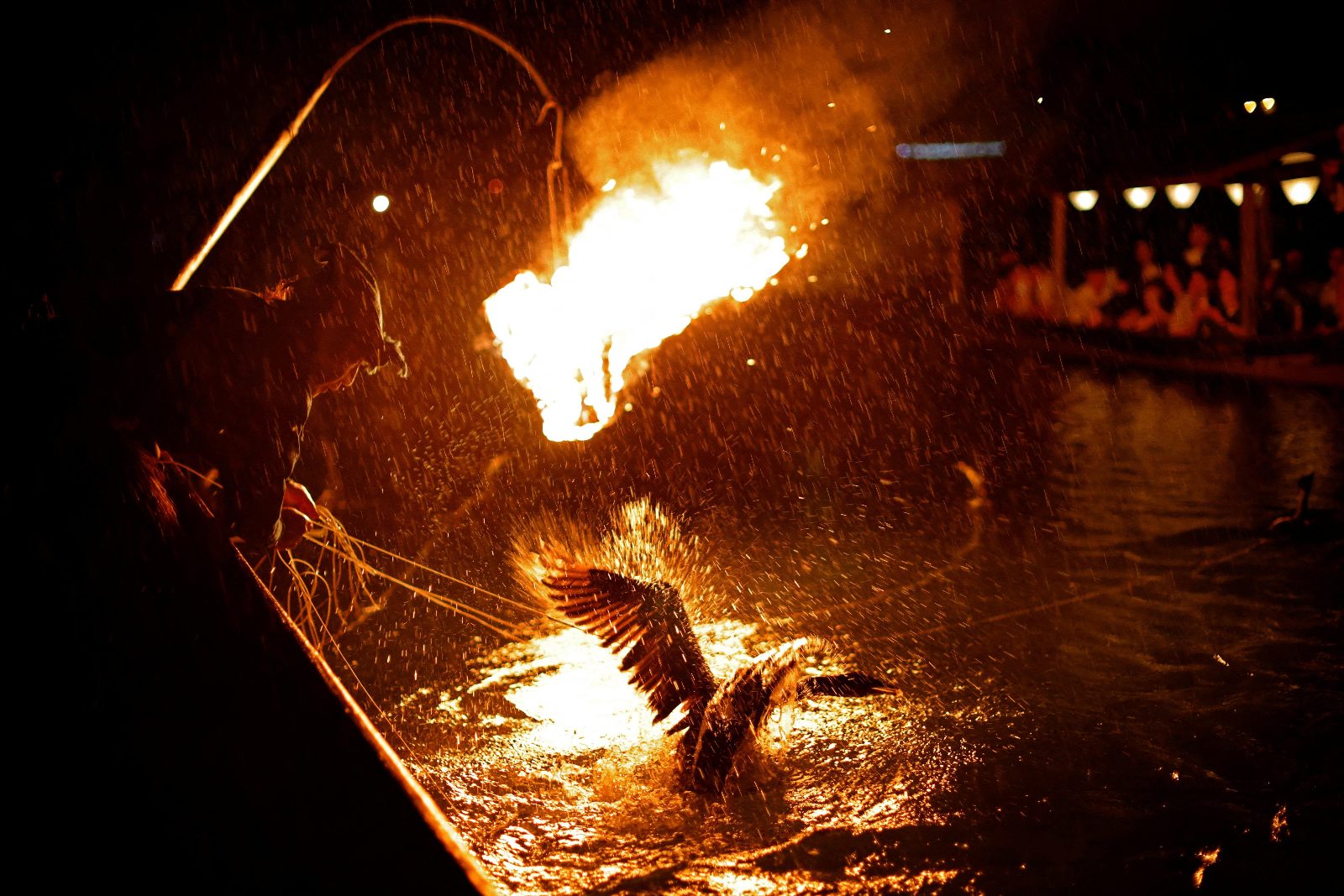
Torchlight on black water, birds diving in formation
Hand-picked by our editors — only the best 4 experiences from 22 reviewed.
Verified partners for Nagara River Cormorant Fishing tours, free cancellation where available, and instant confirmation on every booking.
2 hr 30 min
Experience a 1,300-year-old fishing tradition by firelight on Gifu's historic river with dinner aboard
Reserve
1 hr 30 min
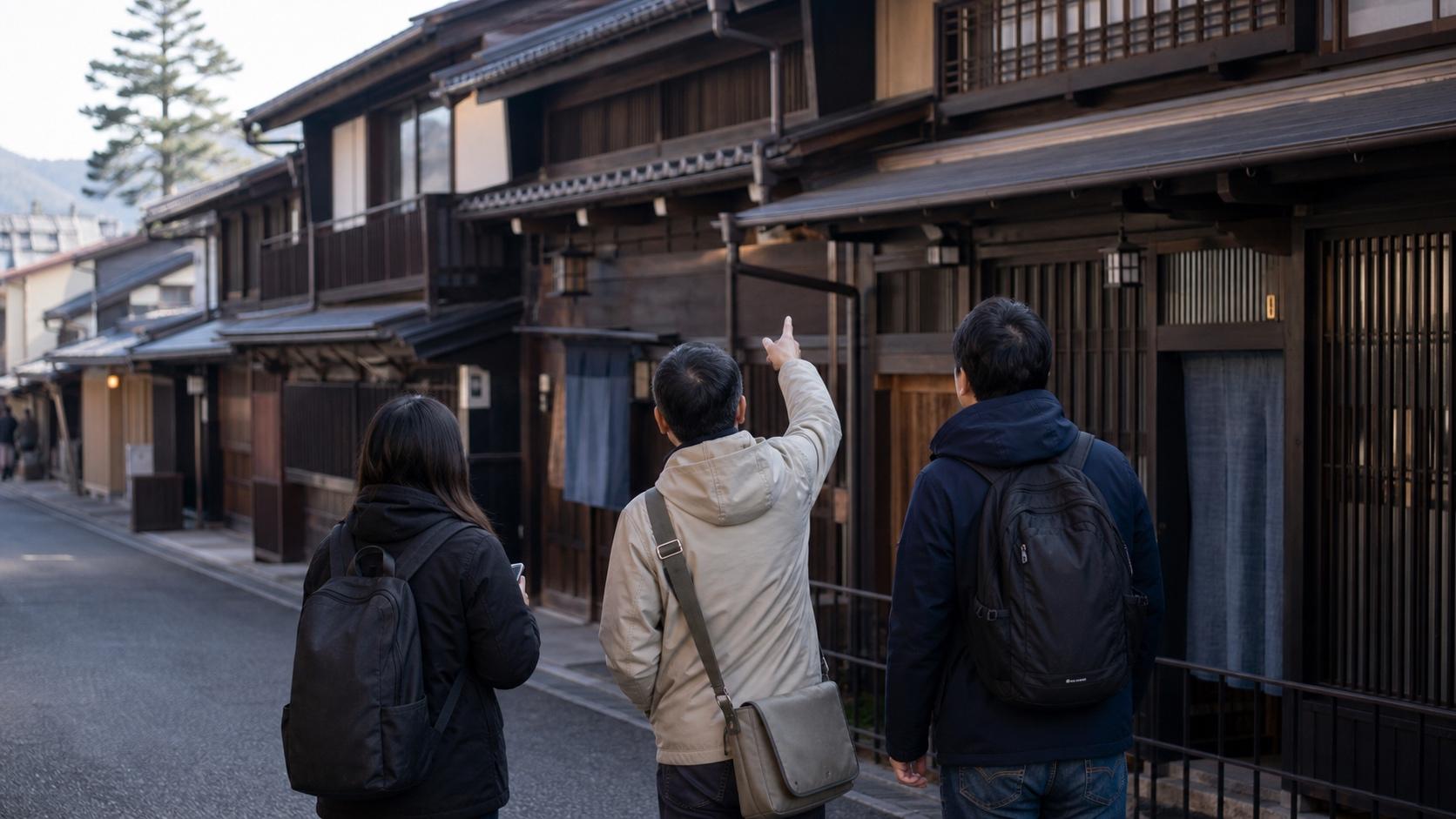
Private riverside stroll through Gifu's cormorant-fishing heritage and historic merchant quarter
Reserve
4 hr
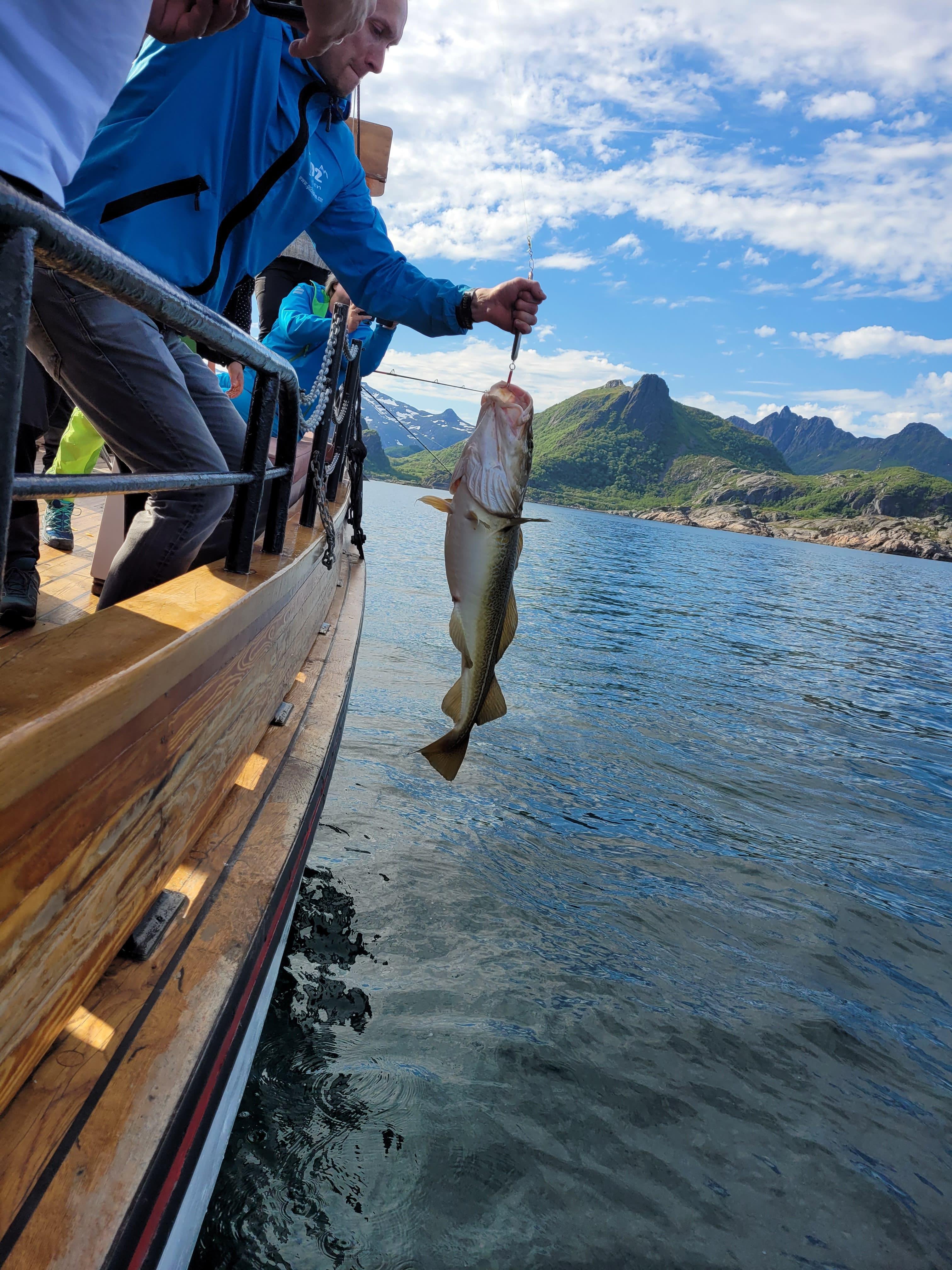
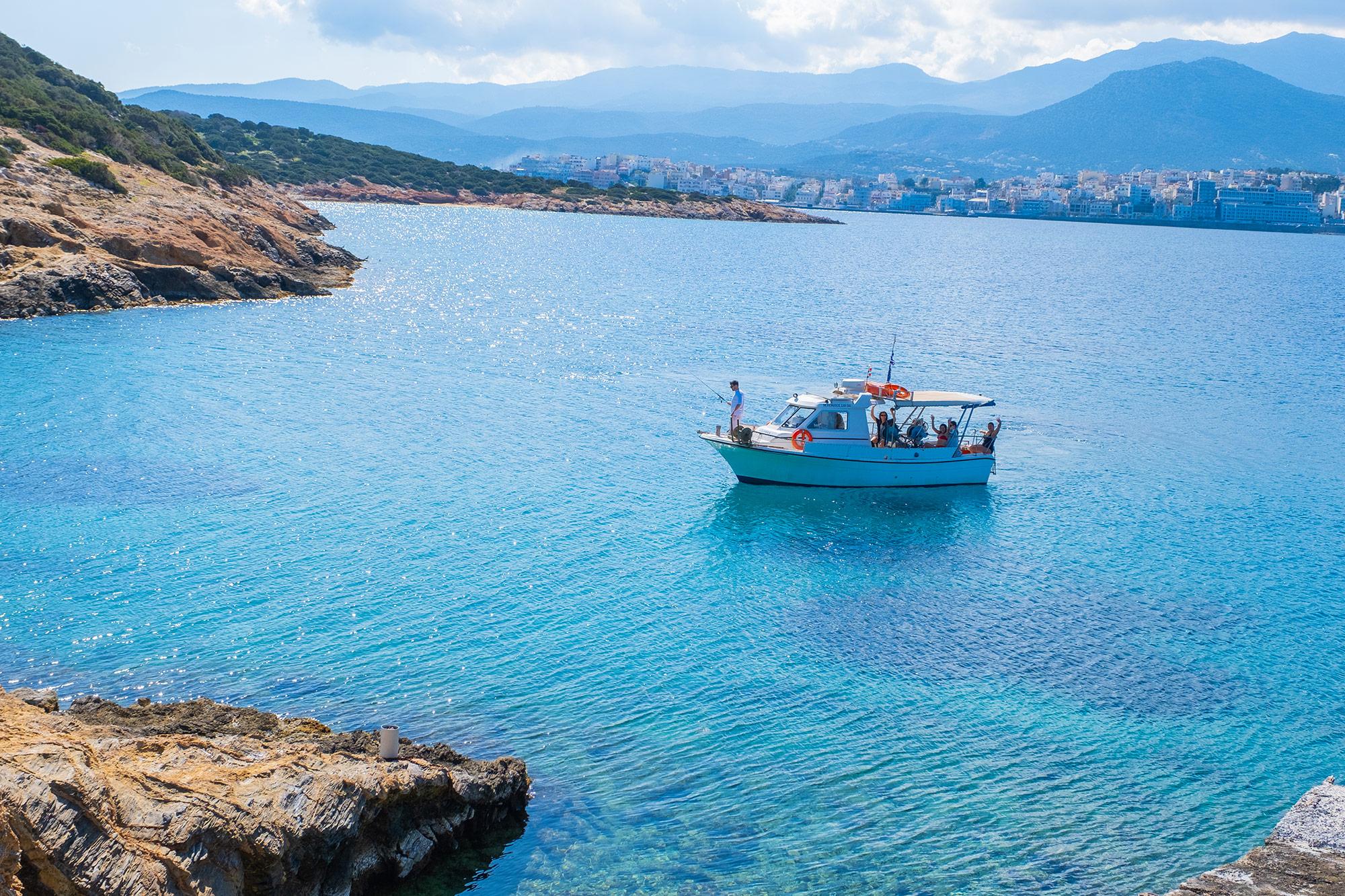
Four-hour guided boat trip targeting cod and haddock with local crew, gear provided, plus tales of Arctic coastal life
ReservePrices from verified partners. Availability updates in real time at checkout. Free cancellation policies apply where shown.
The landmarks, rooms, and views travelers on Nagara River Cormorant Fishing tours remember — all visible on a single visit.
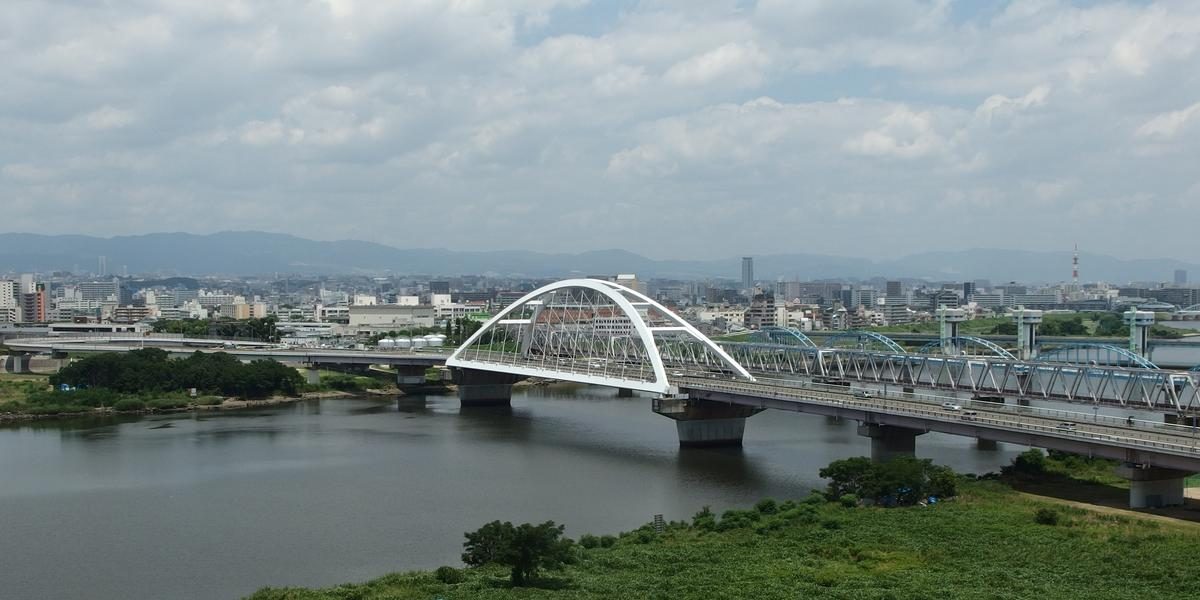
The central landmark where boarding takes place, offering a view of the river.
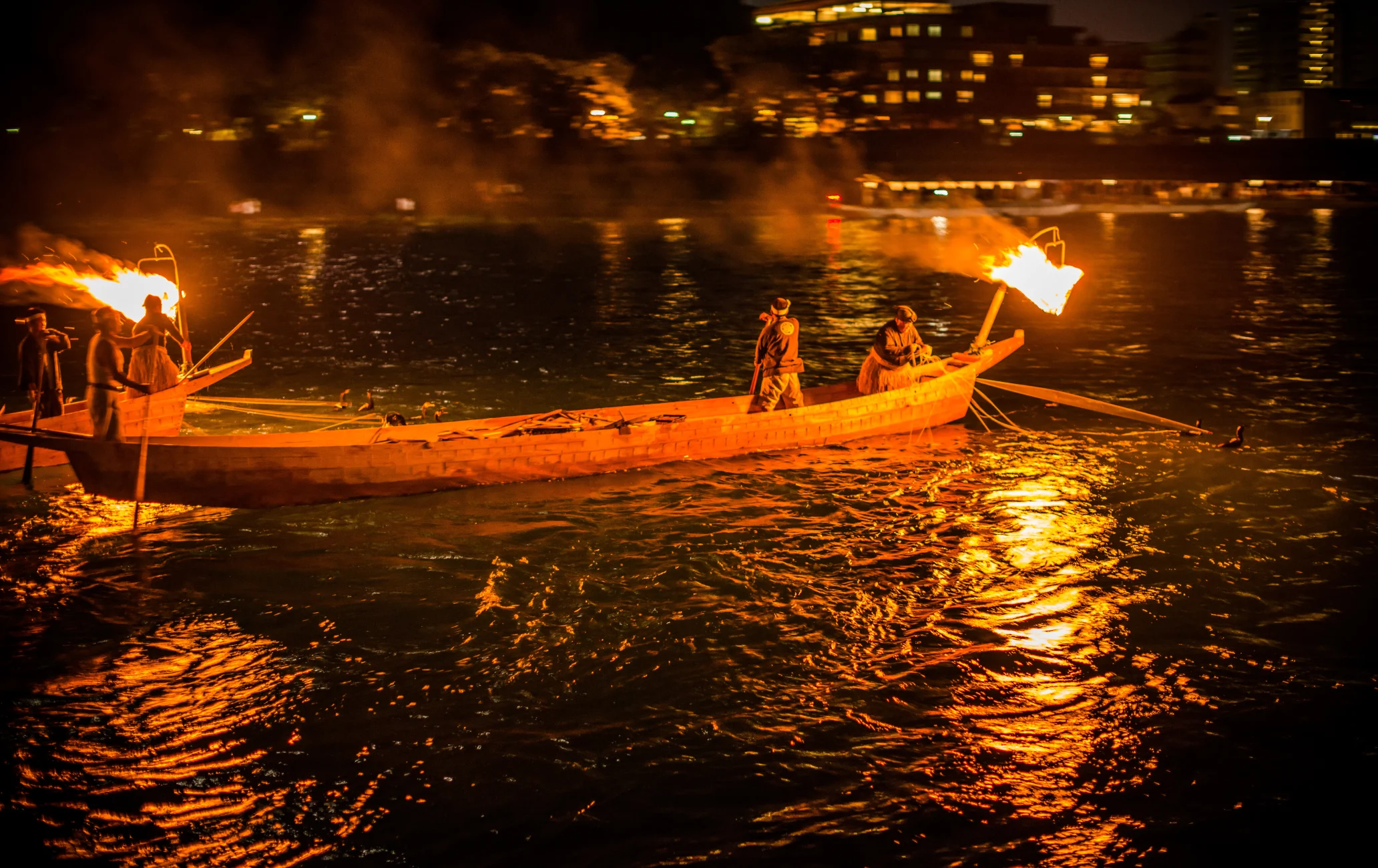
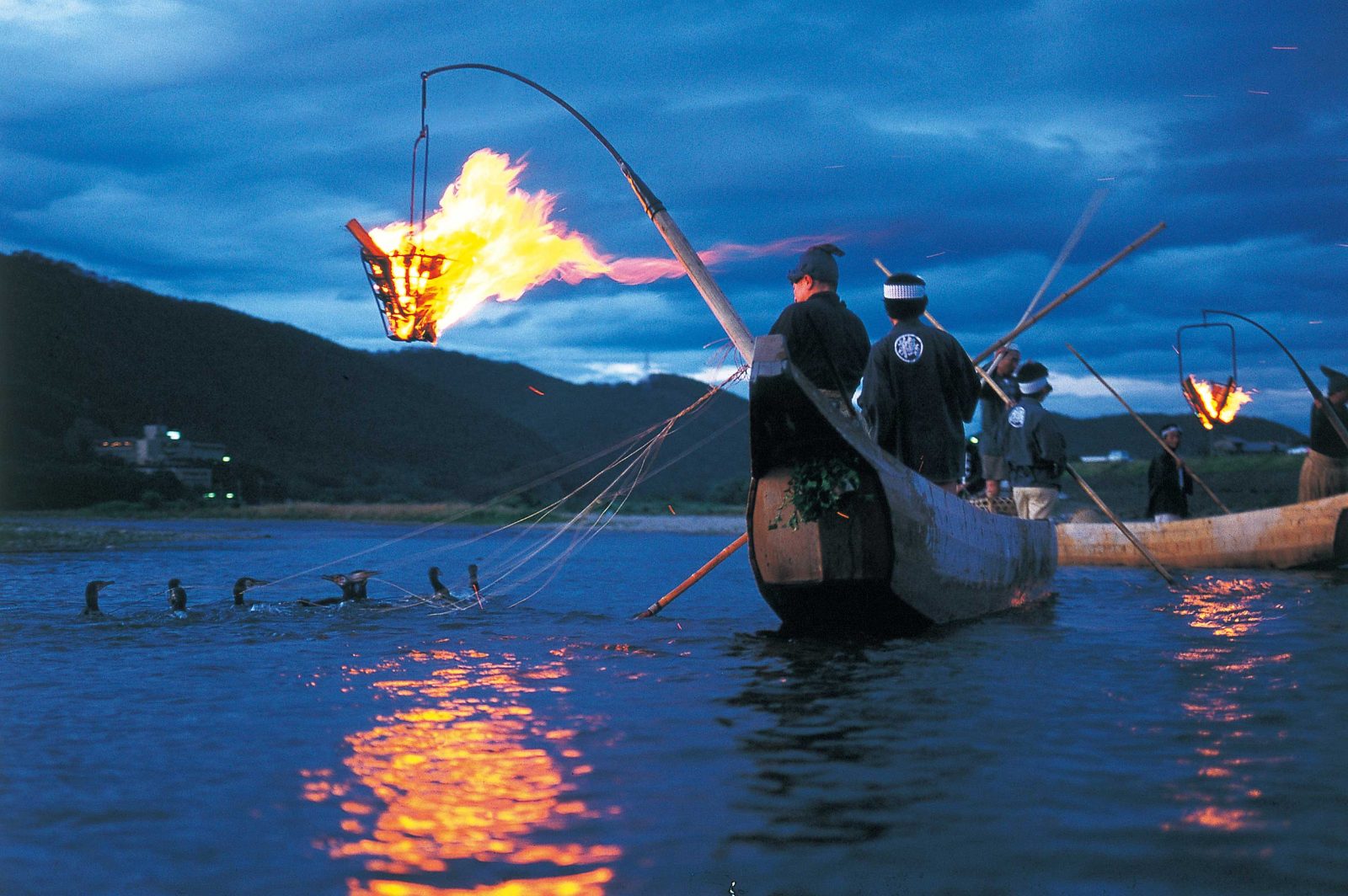
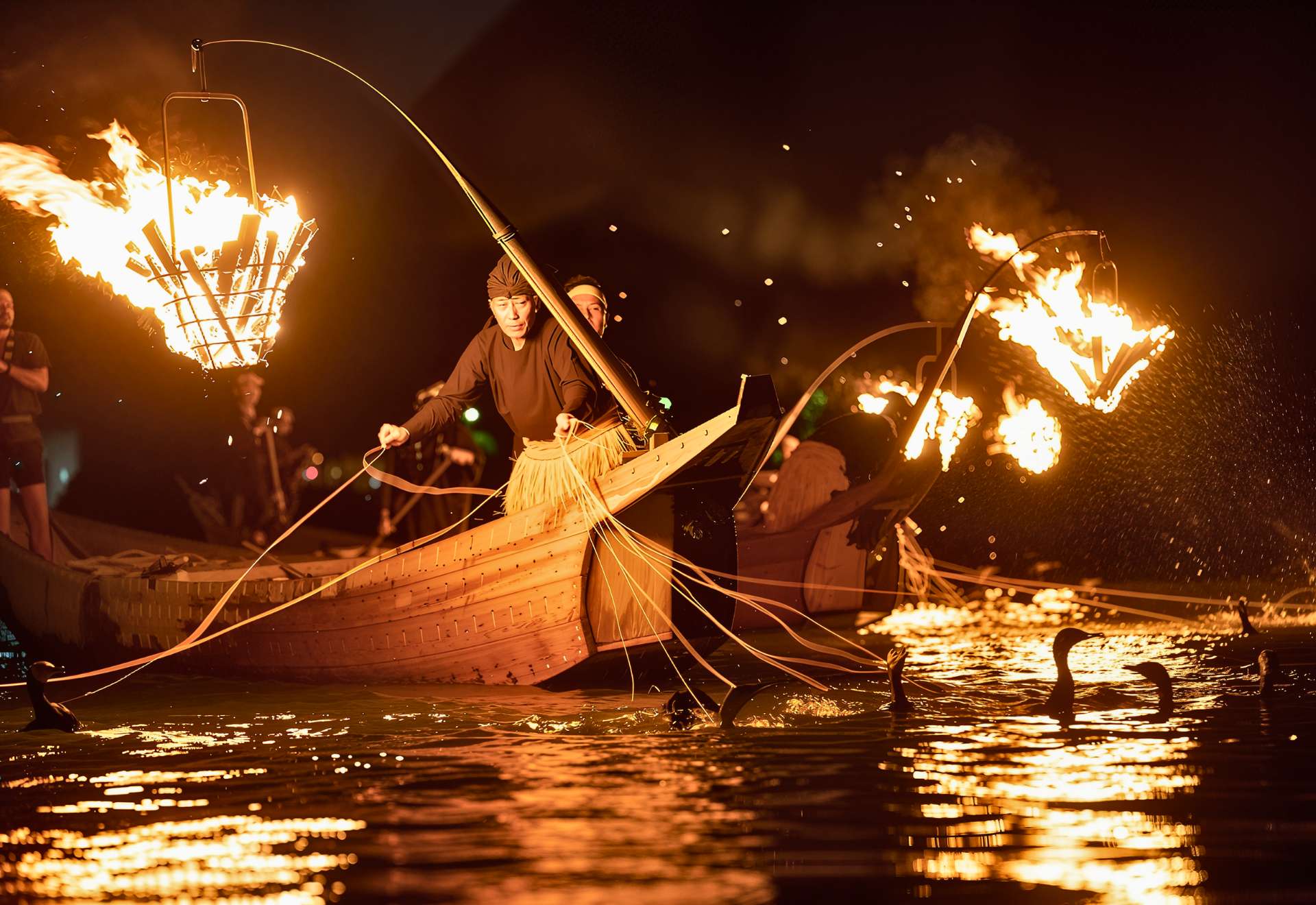
The Imperial Household Agency fishermen who lead the 1300-year-old tradition.
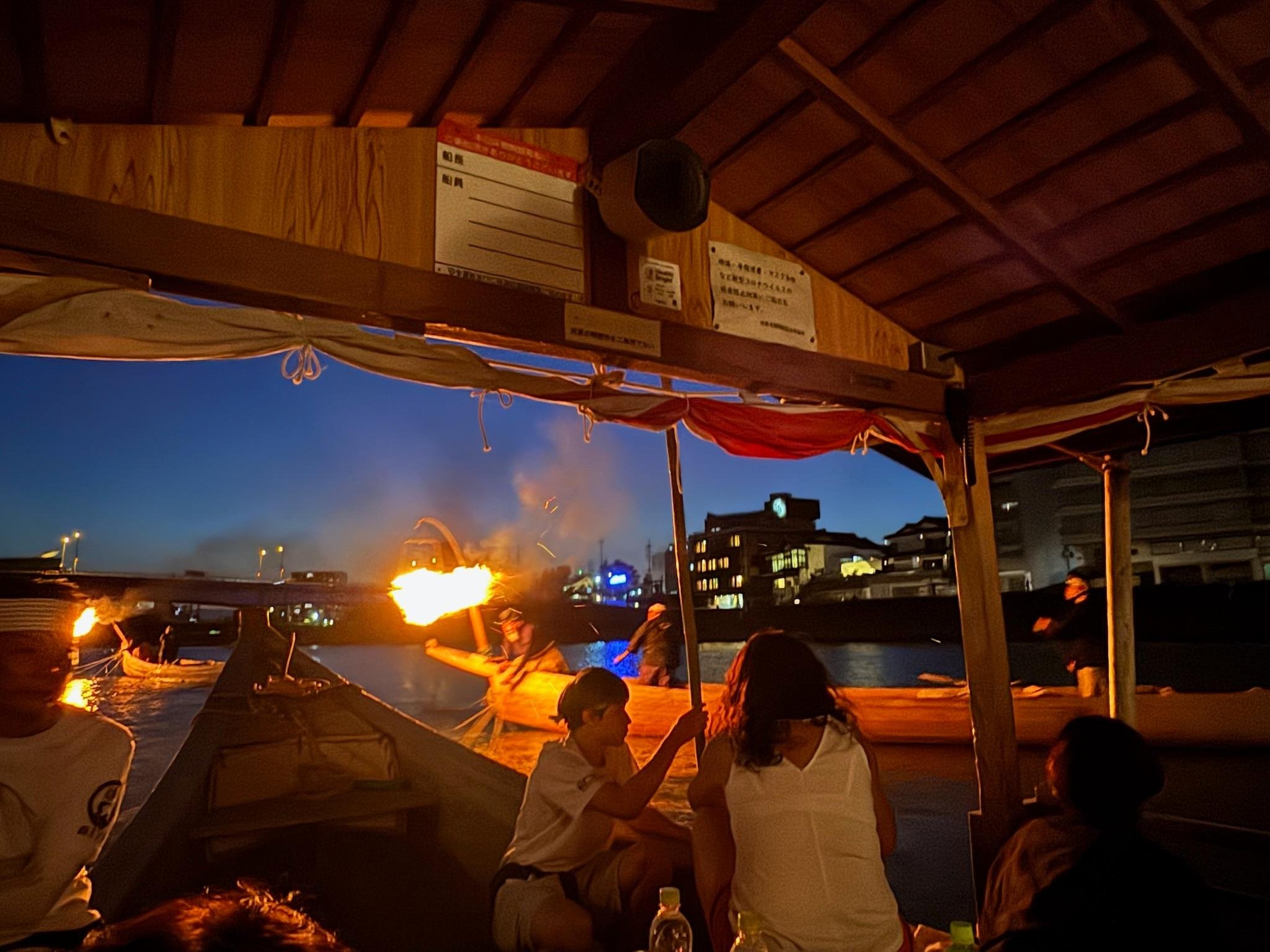
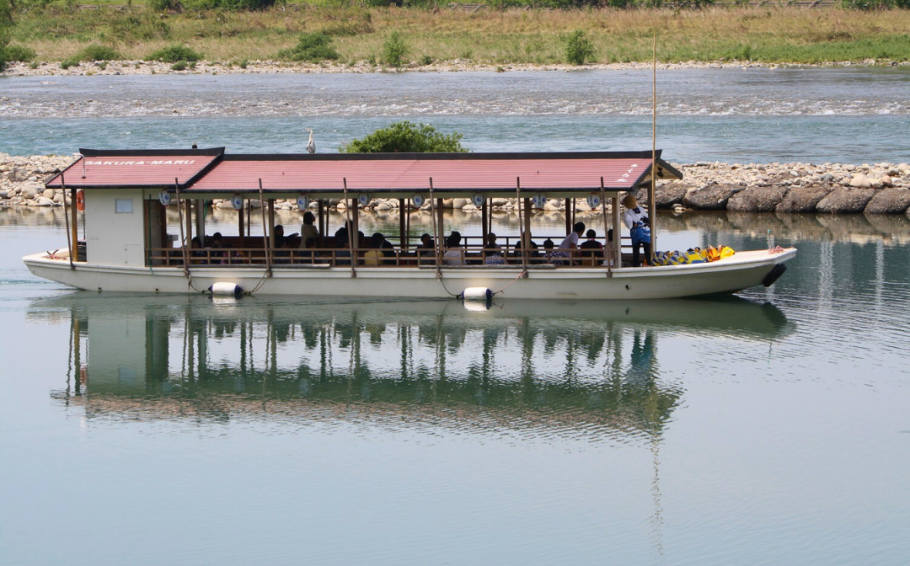
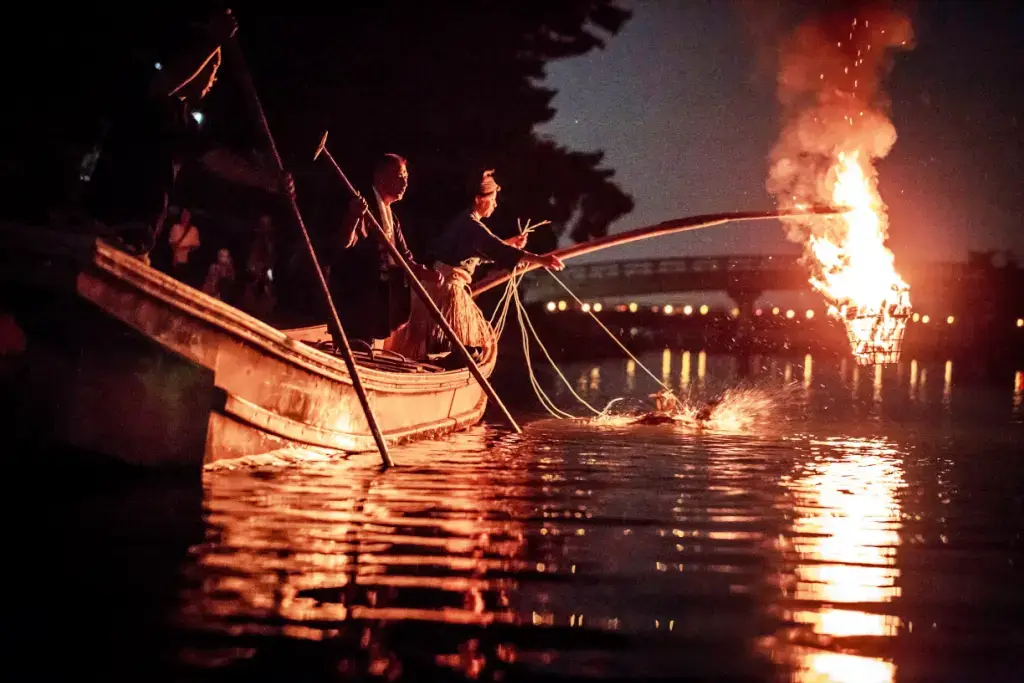
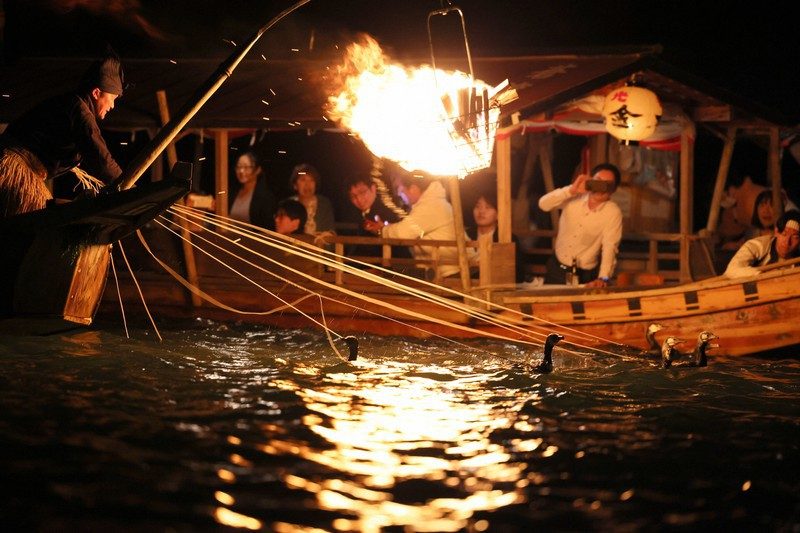
Traditional wooden vessels that provide a front-row view of the night fishing.
The trained birds that capture ayu fish during the nightly event.
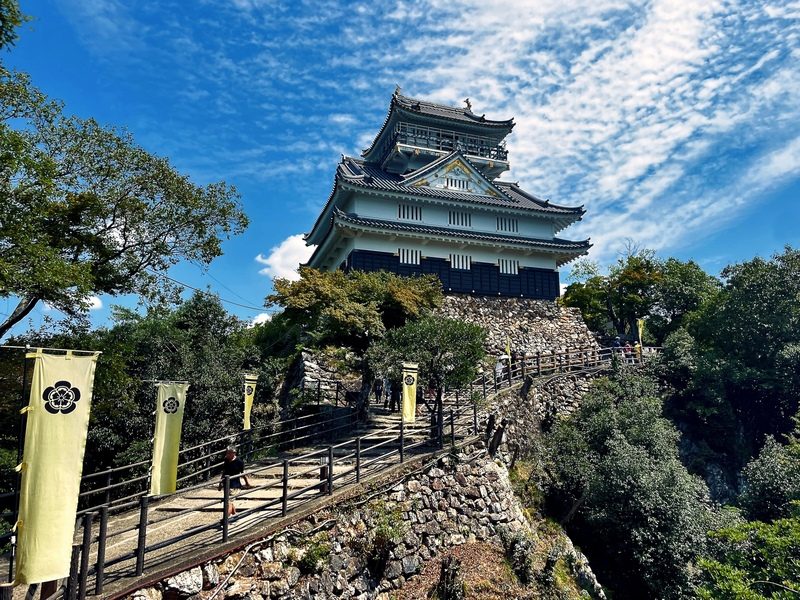
The historic castle overlooking the river during the nocturnal fishing performance.
Every Nagara River Cormorant Fishing tour side-by-side — duration, what's included, how you redeem.
| Experience | Duration | Rating | Guide | Free cancel. | Price | |
|---|---|---|---|---|---|---|
|
Standard Entry Most popular
Nagara River Cormorant Fishing Evening Cruise
|
2 hr 30 min | ★ 5.0 | ✓ | ✓ | €112 | Book → |
|
Standard Entry
Nagara River & Old Town Heritage Walk
|
1 hr 30 min | — | ✓ | ✓ | €76 | Book → |
|
Standard Entry
Lofoten Fishing Expedition from Svolvær
|
4 hr | ★ 4.7 | — | ✓ | €100 | Book → |
All prices from verified partners. Availability and exact terms confirmed at checkout.
Nagara River Cormorant Fishing is the superior choice for those seeking a grand, imperial-sanctioned display, whereas the Mikuma River tour provides a quieter, more private vantage point. Visitors selecting between these nagara river cormorant fishing tours will find the former offers institutional scale, while the latter excels in tranquil intimacy.
| Feature | Top pick Nagara River | Mikuma River |
|---|---|---|
Historical scale |
1,300 years of imperial patronage | Regional tradition |
Boat environment |
Large passenger sightseeing boats | Small traditional yakatabune boats |
Accessibility from major cities |
Direct access from Nagoya | Requires travel from Fukuoka/Oita |
Fishing technique variations |
Six master ukai artisans | Single master artisan style |
Atmosphere |
High-profile public spectacle | Quiet and meditative surroundings |
Viewing perspective |
Group viewing from fleet | Close-proximity river observation |
| See tickets → |
Verdict: If you prioritize historical magnitude and a festive environment, these nagara river cormorant fishing tickets offer the premier experience, but choose the Mikuma River for a peaceful, secluded encounter.
Choose your ticket, select your date, and reserve in under two minutes. Secure checkout handled by our verified partner.
Instant confirmation by email, with a mobile voucher you can save offline. No printing, no queuing at a collection desk.
Arrive at the entrance, show your voucher on your phone, and walk in. Most tickets include priority or skip-the-line access.
Practical details for Nagara River Cormorant Fishing tickets straight from our verified partners — hours, access, rules, and how to get there.
1-2 Minato-machi, Gifu City
Report to the main office for your booked nagara river cormorant fishing tickets.
Open in Google MapsFrom JR Gifu or Meitetsu Gifu station, take the bus to Nagarabashi Minami/Kawaramachi stop.
Casual and comfortable clothing is recommended as you will be boarding a wooden boat. Wear sensible footwear that provides good grip for getting on and off the vessel.
Due to limited storage space on the traditional boats, passengers are advised to travel light. Large suitcases should be stored at your hotel or station lockers.
Photography is permitted and encouraged to capture the fires reflected on the river. Be mindful of others when using flashes or tripods on the shared boats.
Access to the boats involves navigating gangways and potentially uneven riverbanks. Visitors with limited mobility should contact the office in advance for assistance.
Mobile phones are permitted. Keep ringer off inside exhibition spaces.
Children are welcome on these nagara river cormorant fishing tours. Children aged three and above are charged the standard rate, while infants may sit on an adult's lap.
Passengers are welcome to bring food and drinks aboard the sightseeing boats. Please ensure you take all trash with you to keep the Nagara River clean.
Pets are not allowed, with the exception of service animals with appropriate documentation.
Last entry is typically 1 hour before closing. Check the specific ticket for timing.
1-2 Minato-machi, Gifu City
Report to the main office for your booked nagara river cormorant fishing tickets.
Get directionsBest time to go, insider tips, nearby landmarks, and the cancellation fine print — flip through to skim what matters to you.
How crowds, weather, and events shift across the year.
The start of the season with pleasant evening temperatures. Crowds are moderate compared to the peak summer months.
Small details that turn a good visit into a great one.
Shared boats fill up quickly during the peak summer months. Reserve your nagara river cormorant fishing tickets online well in advance.
Non-bookable sights within a short walk — free to visit, easy to pair.
Historic hilltop castle offering expansive views of the city.
Flexible, no hidden fees.
In the event of cancellation due to high water levels, no cancellation fee applies. Reservations typically allow changes or full refunds if made outside the specific operator-set window.
Hand-picked options within walking distance — pick a district for vibe, or a specific hotel for convenience.
Traditional ryokan options located along the riverside.
Cormorant fishing on the Nagara has been practiced without interruption since the eighth century, outlasting the rise and fall of shogunates, the Meiji restoration, and two world wars.
The Imperial Household Agency still appoints the usho — cormorant masters — who hold the title of court fishermen and supply ayu sweetfish to the emperor each summer. Only six families in Gifu City hold the designation today, a hereditary craft passed parent to child with techniques unchanged since the Nara period.
The method itself is a study in controlled choreography. Each usho commands twelve cormorants from a standing position in a wooden boat, the birds tethered by individual leashes and coordinated through voice, gesture, and the rhythm of oar strikes against the hull. A metal ring fitted loosely around each bird's throat prevents it from swallowing large fish while allowing it to breathe and consume smaller prey as reward. Burning pine torches mounted at the bow attract ayu to the surface; the cormorants dive in relay, surfacing with fish clamped in their beaks, and surrender the catch when the usho pulls the leash taut. The boats work in tandem, six or seven sweeping downriver in formation, the firelight reflected in overlapping circles on the current.
Ukai as public spectacle began in the sixteenth century when Oda Nobunaga invited allied daimyo to witness night fishing from observation boats. The Tokugawa shogunate later institutionalized the practice, restricting cormorant fishing to licensed masters and barring commoners from fishing the central Nagara between May and October to preserve stocks for the demonstrations. Gifu's economy grew around the seasonal influx of travelers; inns, teahouses, and boatyards lined the riverbanks, and ukiyo-e prints of the torchlit scenes circulated across Edo-period Japan.
Today the season runs mid-May through mid-October, dark nights only — no fishing under the full moon, when ayu see too clearly to approach the flames. The sightseeing fleet departs from Minato-machi pier at dusk, passengers seated on low benches in flat-bottomed boats that trail the working craft downstream. The entire sequence lasts sixty to ninety minutes: a slow drift to the fishing grounds, twenty minutes of coordinated dives, and the return upriver under oar and pole.

"Only six families in Gifu City hold the designation today, a hereditary craft passed parent to child with techniques unchanged since the Nara period."
A step-by-step walkthrough of Nagara River Cormorant Fishing tickets — what you'll see, how long each stage takes, and the details that matter.
You board at Minato-machi pier in the last hour of daylight, stepping barefoot onto tatami mats laid across the open deck. The shared boat holds eighteen passengers on parallel benches; a boatman in indigo cotton stands at the stern with a single oar.
The fleet casts off in sequence, drifting downstream past the steel truss of Nagara Bridge as the sky fades from violet to charcoal.
Twenty minutes downriver the current slows and the boatman poles your craft into position fifty meters behind the lead fishing boat. You hear the cormorants before you see them — a guttural croaking, then the splash of bodies hitting water. Six torches flare in unison across the working fleet, and the usho begin their calls, a rhythmic bark that carries over the current. The cormorants surface and dive in stuttering arcs, necks bent, wings folded tight. Each time a bird breaches with a fish the usho hauls it to the gunwale, pries open the beak, and drops the ayu into a basket lashed at his feet. The sequence repeats in mechanical rhythm — dive, retrieve, release — the formation advancing downriver in coordinated sweeps.
After thirty minutes the torches extinguish in sequence and the working boats peel away toward the Minato-machi dock. Your return trip runs under starlight, the only sound the creak of the oar and the lap of water against the hull.
The nagara river cormorant fishing boats operate daily from 18:15 to 20:30.
Accessibility can be limited due to the wooden boat structure, so please contact the office in advance.
Prohibited items include large luggage and dangerous goods; travel light for your nagara river cormorant fishing trip.
Yes, you can take photos, but please be considerate of other passengers on your nagara river cormorant fishing tour.
The season runs from May 11 to October 15, offering different atmospheres throughout the summer.
Wear comfortable, casual clothing suitable for a river environment on your nagara river cormorant fishing experience.
Yes, you may bring your own food and drinks aboard the nagara river cormorant fishing boat.
Take a Gifu Bus to the Nagarabashi Minami/Kawaramachi stop to reach the boarding office.
Yes, children are welcome on nagara river cormorant fishing tours, with specific fare rules for those over three.
Cancellations due to high water are full-refund eligible; check your booking details for other nagara river cormorant fishing ticket policies.
Yes, Gifu Castle is a short distance away and pairs well with a nagara river cormorant fishing outing.